Bachelor's Degree in Physical Therapy
- Home
- Bachelor’s Degree in Physical Therapy
Program Overview
The Bachelor’s Degree in Physical Therapy at Universidad Tecnológica de Ciudad Juárez prepares healthcare professionals specialized in the prevention, treatment, and rehabilitation of injuries and conditions that affect movement and physical function.
Throughout the program, students develop knowledge and skills in anatomy, physiology, biomechanics, and a variety of therapeutic techniques, including manual therapy, electrotherapy, hydrotherapy, and neurological, orthopedic, and sports rehabilitation. This comprehensive education combines scientific knowledge, technical expertise, and a patient-centered approach to provide high-quality care.
Upon graduation, Physical Therapy professionals possess the competencies required to work in hospitals, clinics, sports organizations, rehabilitation centers, or establish their own private practice. Physical Therapy is a profession with strong labor market demand and excellent career prospects, focused on improving quality of life and promoting community well-being.
Schedule
Monday to Friday
Morning Schedule: : 7:00 a.m. – 2:00 p.m.
Afternoon Schedule: 2:00 p.m. – 9:00 p.m.
Mission
We are an academic program committed to educating Physical Therapy professionals with the competencies required to provide care and manage comprehensive physiotherapy centers through preventive, corrective, and rehabilitation approaches, thereby contributing to the improvement of the community’s quality of life.
Vision
To be an academic program recognized for the quality of its graduates in Physical Therapy, equipped with the professional competencies necessary to perform effectively in the workforce with national and international recognition, distinguished by their contributions to societal development.
Professional Profile
Graduates of the Physical Therapy program possess the competencies required to provide comprehensive, high-quality healthcare services. These include:
- A strong theoretical foundation in human anatomy and physiology, enabling the application of clinical and functional assessments to develop accurate diagnoses in compliance with current professional regulations.
- The ability to design individualized intervention plans based on patient assessment and prognosis, integrating a variety of therapeutic methods aimed at improving health, functionality, and overall well-being.
- The capacity to implement multidisciplinary care programs supported by scientific evidence, providing innovative treatment alternatives that benefit patients and the broader community.
Program Structure
Bachelor's Degree in Physical Therapy
First Four-Month Term
English I
Human Development and Values
Mathematical Foundations
Cellular and Molecular Biology
Fundamentals of Anatomy
Introduction to Physical Therapy
Communication and Digital Skills
Second Four-Month Term
English II
Socio-Emotional Skills and Conflict Management
Biophysics
Fundamentals of Biochemistry
Anatomy I
Neuroanatomy
Embryology
Third Four-Month Term
English III
Critical Thinking and Decision-Making
Biomechanics of the Upper Extremity and Temporomandibular Joint (TMJ)
Histology Applied to Physical Therapy
Anatomy II
Neurophysiology
Health Education
Fourth Four-Month Term
English IV
Professional Ethics
Biomechanics of the Lower Extremity and Spine
Clinical Propaedeutics I
Human Physiology I
Neurodevelopment
Prehospital Care
Fifth Four-Month Term
English V
High-Performance Team Leadership
Functional Clinical Assessment I
Clinical Propaedeutics II
Human Physiology II
Genetics
Health Regulations
Sixth Four-Month Term
English VI
Management Skills
Functional Clinical Assessment II
Medical Imaging in Physical Therapy
Pathophysiology
Human Neuropathology in Pediatrics
Integrative Project I
Seventh Four-Month Term
English VII
Healthcare Services Administration
Differential Diagnosis
Physical Agents I
Exercise Physiology
Adult Human Neuropathology
Integrative Practice I
Eighth Four-Month Term
English VIII
Psychology and Mental Health
Physical Therapy Techniques
Physical Agents II
Therapeutic Exercise
Neurorehabilitation I
Integrative Practice II
Ninth Four-Month Term
Clinical Practice I
Pharmacology in Physical Therapy
Manual Therapy
Physical Agents III
Exercise Prescription
Neurorehabilitation II
Integrative Project II
Tenth Four-Month Term
Clinical Practice II
Cardiac and Pulmonary Rehabilitation
Physical Therapy in Traumatology and Orthopedics
Sexuality and Disability
Sports Physical Therapy
Physical Therapy for the Integumentary System
Evidence-Based Physical Therapy
Eleventh Four-Month Term
Clinical Practice III
Inpatient Physical Therapy
Technology and Innovation in Physical Therapy
Physical Therapy in Obstetrics and Pelvic Floor Rehabilitation
Functional Training
Physical Therapy in Rheumatology
Research Methodology
Twelfth Four-Month Term
Physical Therapy for Sensory Disorders
Physical Therapy in Oncology
Physical Therapy for Amputee Patients
Orthotics and Prosthetics
Physical Therapy in Geriatrics
Biostatistics
Integrative Project III
Social Service Requirement
One year of mandatory Social Service
Social Service placements are assigned in accordance with the positions available through the Ministry of Health (Secretaría de Salud).
Primary Contact
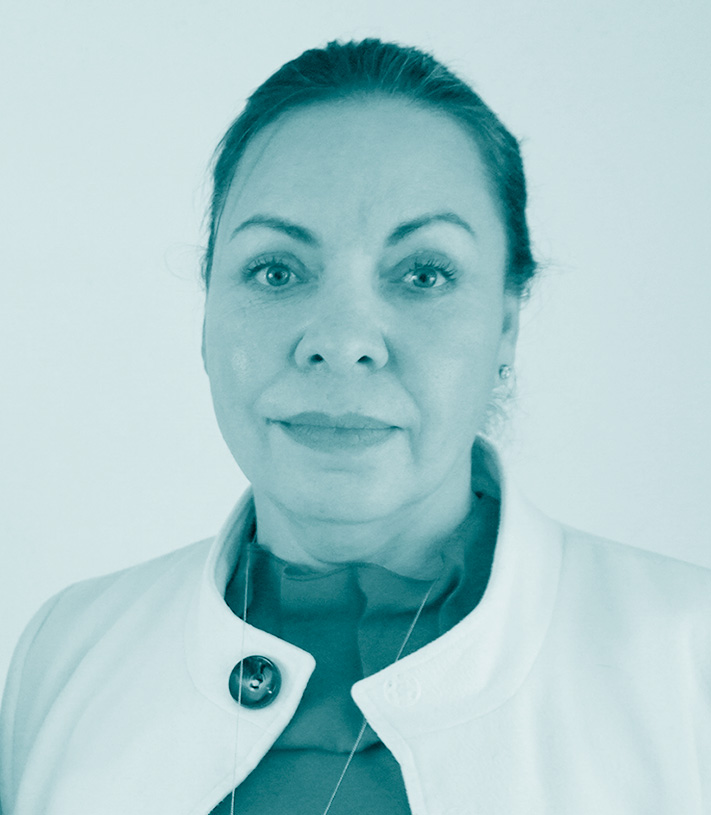
Dr. Mauricio Alfredo Rodríguez Padilla
Director of the Physical Therapy and Civil Protection & Emergency Management Programs
- mauricio_rodriguez@utcj.edu.mx
- Building C, Third Floor
- Phone: +52 (656) 649-0600 ext. 3851